Top 5 Benefits of Raised Bed Vegetable Gardening
Gardening is more than just a hobby; it’s a rewarding way to connect with nature, grow your own food, and enjoy the fruits of your labor. Among the various gardening methods, raised bed vegetable gardening stands out for its numerous advantages. Whether you are a seasoned gardener or a beginner, raised beds can enhance your gardening experience. In this post, we will explore the top five benefits of raised bed vegetable gardening and how it can transform your gardening journey.
1. Improved Soil Quality
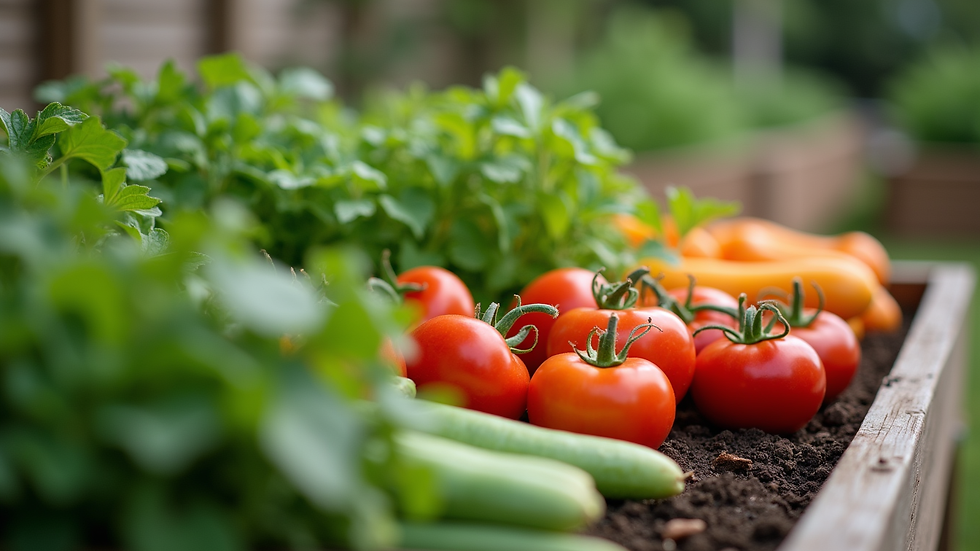
One of the primary benefits of raised bed gardening is the ability to control the soil quality. In traditional gardening, you may be limited by the existing soil conditions, which can be rocky, clay-heavy, or nutrient-poor. With raised beds, you can create the ideal soil mix tailored to the needs of your plants.
Custom Soil Mix
You can fill your raised beds with a combination of topsoil, compost, and organic matter. This custom mix not only provides essential nutrients but also improves drainage and aeration. For example, a mix of 60% topsoil, 30% compost, and 10% perlite can create a fertile environment for your vegetables to thrive.
Reduced Soil Compaction
Raised beds also help prevent soil compaction, which can hinder root growth and water absorption. By keeping the soil loose and well-aerated, your plants can access nutrients more efficiently, leading to healthier growth and higher yields.
2. Extended Growing Season
Raised beds can provide a warmer environment for your plants, allowing for an extended growing season. The soil in raised beds tends to warm up faster in the spring, which means you can plant earlier and enjoy a longer harvest period.
Heat Retention
The elevated structure of raised beds allows for better heat retention. This is particularly beneficial in cooler climates where frost can threaten young plants. By using row covers or cloches, you can further protect your crops from unexpected cold snaps, ensuring they thrive even in less-than-ideal weather conditions.
Succession Planting
With an extended growing season, you can practice succession planting, where you plant new crops as soon as you harvest others. This maximizes your garden's productivity and allows you to enjoy fresh vegetables throughout the year.
3. Easier Maintenance
Maintaining a garden can be physically demanding, especially for those with limited mobility. Raised bed gardening offers a more accessible solution, making it easier for everyone to enjoy gardening.
Reduced Strain on the Body
Raised beds can be built at a height that reduces the need to bend over or kneel, minimizing strain on your back and knees. This is particularly beneficial for older gardeners or those with physical limitations. You can easily tend to your plants while standing or sitting on a stool.
Weed Control
Weeds can be a gardener's worst enemy, but raised beds can help reduce their prevalence. The defined borders of raised beds make it easier to manage weeds, and the quality soil mix can discourage weed growth. Additionally, using mulch can further suppress weeds while retaining moisture in the soil.
4. Better Pest Management
Pest control is a significant concern for gardeners, but raised beds can help mitigate some of these challenges. The elevation of raised beds can deter certain pests and make it easier to monitor and manage them.
Natural Barriers
The height of raised beds can make it more difficult for pests like rabbits and groundhogs to access your plants. You can also use physical barriers, such as netting or row covers, to protect your crops from insects and birds.
Integrated Pest Management
Raised beds allow for easier implementation of integrated pest management (IPM) strategies. You can plant companion plants that naturally repel pests or attract beneficial insects, creating a balanced ecosystem in your garden. For example, planting marigolds alongside your vegetables can help deter aphids and nematodes.
5. Aesthetic Appeal
Beyond the practical benefits, raised bed vegetable gardening can enhance the visual appeal of your outdoor space. A well-designed raised bed garden can serve as a beautiful focal point in your yard.
Design Flexibility
Raised beds come in various shapes, sizes, and materials, allowing you to customize your garden to fit your style. You can use wood, stone, or even recycled materials to create unique designs that complement your landscape. Consider incorporating pathways, trellises, or decorative borders to enhance the overall look of your garden.
Community Engagement
A visually appealing garden can also attract neighbors and passersby, fostering a sense of community. Sharing your gardening journey through local events or social media can inspire others to start their own raised bed gardens, creating a ripple effect of gardening enthusiasm in your area.
Conclusion
Raised bed vegetable gardening offers a multitude of benefits that can enhance your gardening experience. From improved soil quality and extended growing seasons to easier maintenance and better pest management, raised beds provide a practical and enjoyable way to grow your own food. Additionally, the aesthetic appeal of raised beds can transform your outdoor space into a beautiful garden oasis.
If you are considering starting a raised bed garden, take the plunge! Research the best materials, design your layout, and choose the right plants for your climate. With a little effort and creativity, you can enjoy the many rewards of raised bed vegetable gardening. Happy gardening!

Comments