Essential Materials for Successful Raised Bed Gardening
Raised bed gardening has become increasingly popular among gardening enthusiasts and novices alike. This method not only enhances the aesthetics of your garden but also offers practical benefits such as improved soil drainage, better pest control, and easier access for planting and harvesting. However, to achieve a thriving raised bed garden, selecting the right materials is crucial. In this post, we will explore the essential materials needed for successful raised bed gardening, ensuring your garden flourishes.

Understanding Raised Bed Gardening
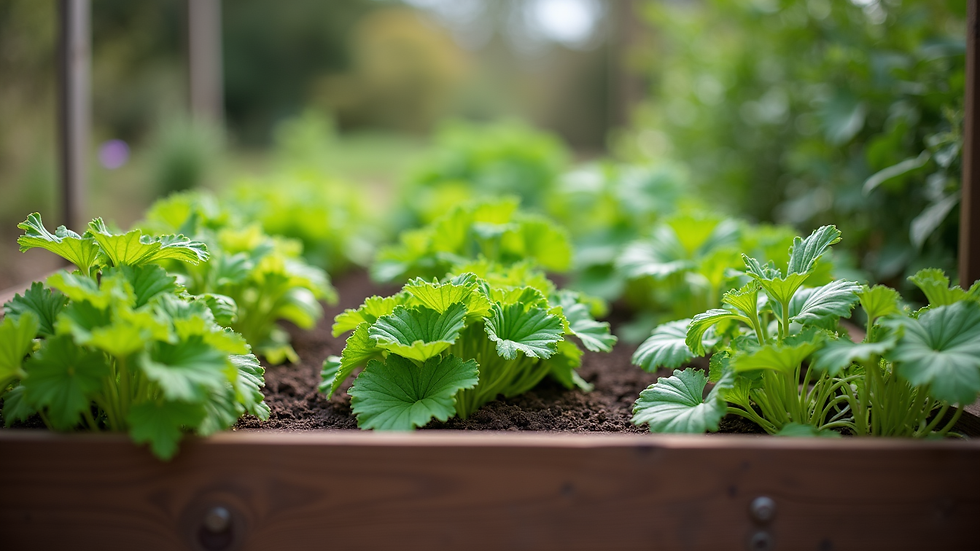
Raised bed gardening involves creating a garden bed that is elevated above the surrounding soil. This technique allows for better control over soil quality, drainage, and temperature. Raised beds can be constructed from various materials, each offering unique benefits and considerations.
Benefits of Raised Bed Gardening
Improved Soil Quality: You have complete control over the soil mix, allowing you to create the perfect environment for your plants.
Better Drainage: Raised beds prevent waterlogging, which can lead to root rot and other issues.
Extended Growing Season: The soil in raised beds warms up faster in the spring, allowing for earlier planting.
Reduced Soil Compaction: Since you do not walk on the soil in raised beds, it remains loose and aerated.
Easier Maintenance: Raised beds can be easier to weed, water, and harvest, especially for those with mobility issues.
Essential Materials for Raised Bed Construction
When constructing your raised bed, the choice of materials is vital. Here are the primary materials you will need:
1. Wood
Wood is one of the most popular materials for raised beds due to its natural appearance and ease of use. Here are some options:
Cedar: Naturally resistant to rot and insects, cedar is a durable choice that can last for many years. It is also lightweight and easy to work with.
Redwood: Similar to cedar, redwood is resistant to decay and offers a beautiful finish. However, it can be more expensive.
Pine: While more affordable, untreated pine will not last as long as cedar or redwood. If you choose pine, consider using treated wood to extend its lifespan.
2. Composite Materials
Composite materials are made from a blend of recycled plastics and wood fibers. They offer several advantages:
Durability: Composite materials resist rot, insects, and fading, making them a long-lasting option.
Low Maintenance: They do not require staining or sealing, saving you time and effort.
Eco-Friendly: Made from recycled materials, composites are a sustainable choice for environmentally conscious gardeners.
3. Bricks and Stones
Bricks and stones can create a sturdy and attractive raised bed. Here are some considerations:
Aesthetic Appeal: Natural stone or bricks can enhance the visual appeal of your garden.
Longevity: These materials are durable and can withstand the elements for years.
Cost: Depending on the type of stone or brick, costs can vary significantly.
4. Metal
Metal raised beds, often made from galvanized steel or aluminum, are gaining popularity. Here are some benefits:
Durability: Metal beds are resistant to rot and pests, ensuring a long lifespan.
Modern Look: They offer a sleek, contemporary aesthetic that can complement modern garden designs.
Heat Retention: Metal can retain heat, which may benefit certain plants in cooler climates.
5. Fabric
Fabric raised beds are a newer option that provides flexibility and ease of use. Here’s what to know:
Lightweight: Fabric beds are easy to move and reposition as needed.
Breathability: They allow for excellent drainage and aeration, promoting healthy root growth.
Cost-Effective: Generally, fabric beds are more affordable than traditional materials.
Soil and Amendments
Once you have your raised bed constructed, the next step is filling it with the right soil mix. The quality of your soil will directly impact the health of your plants.
1. Soil Mix
A good soil mix for raised beds typically consists of:
Topsoil: This is the primary component, providing essential nutrients for plant growth.
Compost: Adding compost enriches the soil with organic matter, improving fertility and moisture retention.
Peat Moss or Coconut Coir: These materials help retain moisture and improve soil structure.
Perlite or Vermiculite: These additives enhance drainage and aeration, preventing soil compaction.
2. Fertilizers
To ensure your plants receive adequate nutrients, consider adding fertilizers to your soil mix. Organic options include:
Bone Meal: Provides phosphorus, promoting root development and flowering.
Blood Meal: A rich source of nitrogen, supporting leafy growth.
Fish Emulsion: A balanced fertilizer that provides a range of nutrients.
Tools for Raised Bed Gardening
Having the right tools can make your gardening experience more enjoyable and efficient. Here are some essential tools to consider:
1. Hand Tools
Trowel: Perfect for digging, planting, and transplanting.
Weeder: Helps remove weeds without disturbing the surrounding soil.
Pruning Shears: Essential for trimming and maintaining plant health.
2. Watering Equipment
Watering Can: Ideal for targeted watering, especially for seedlings.
Hose with a Spray Nozzle: Useful for larger beds, allowing for adjustable water flow.
Soaker Hoses: These can be laid out in the bed to provide consistent moisture to the plants.
3. Garden Gloves
Investing in a good pair of garden gloves will protect your hands from thorns, dirt, and blisters. Look for gloves that are durable yet flexible for ease of movement.
Plant Selection for Raised Beds
Choosing the right plants for your raised bed is crucial for a successful garden. Consider the following:
1. Companion Planting
Companion planting involves growing different plants together for mutual benefits. For example:
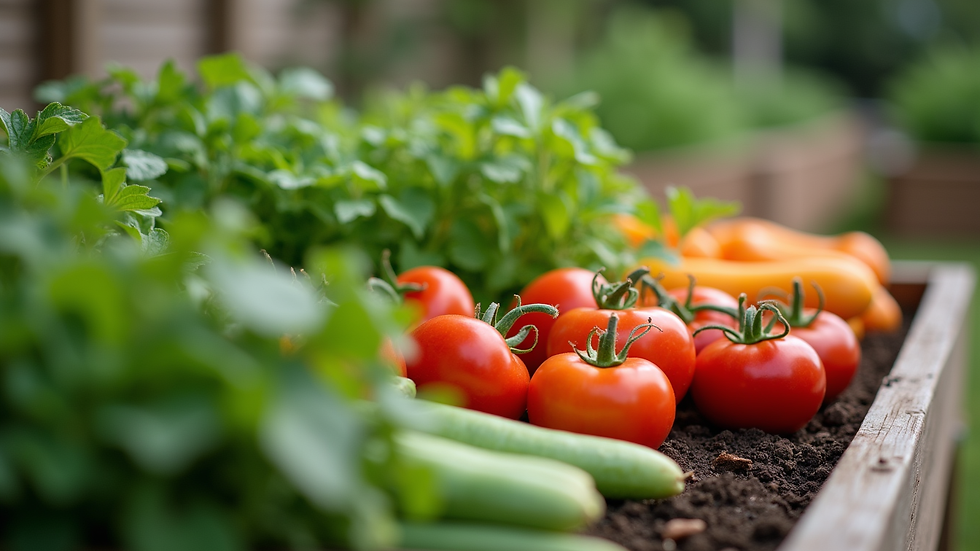
Tomatoes and Basil: Basil can enhance the flavor of tomatoes and repel pests.
Carrots and Onions: These two can help deter each other's pests.
2. Seasonal Planting
Plan your planting according to the seasons. Cool-season crops like lettuce and spinach thrive in early spring and fall, while warm-season crops like tomatoes and peppers flourish in the summer.
3. Succession Planting
To maximize your harvest, consider succession planting. This involves planting new crops as soon as others are harvested. For example, after pulling out early peas, you can plant a second crop of beans.
Maintenance Tips for Raised Bed Gardens
Maintaining your raised bed garden is essential for long-term success. Here are some tips:
1. Regular Watering
Raised beds can dry out more quickly than traditional gardens. Ensure consistent moisture, especially during hot weather. Consider using mulch to retain moisture and suppress weeds.
2. Weeding
Regularly check for weeds, as they can compete with your plants for nutrients and water. Hand-pulling is often the most effective method in raised beds.
3. Crop Rotation
To prevent soil depletion and reduce pest and disease issues, practice crop rotation. Change the location of your crops each season to maintain soil health.
Conclusion
Creating a successful raised bed garden requires careful planning and the right materials. By selecting quality construction materials, enriching your soil, and choosing the right plants, you can cultivate a thriving garden that provides fresh produce and enjoyment for years to come. Start your raised bed gardening journey today, and watch your garden flourish!
Remember, gardening is a learning experience. Don’t be afraid to experiment and adapt your methods as you discover what works best for your unique environment. Happy gardening!
Comments