Beginner's Guide to Raised Bed Vegetable Gardening Techniques
Gardening can be a rewarding and fulfilling hobby, especially when it comes to growing your own vegetables. Raised bed gardening is an excellent way to cultivate a productive garden, even in limited spaces. This guide will walk you through the essential techniques and tips for starting your own raised bed vegetable garden, ensuring you have a bountiful harvest.
Understanding Raised Bed Gardening
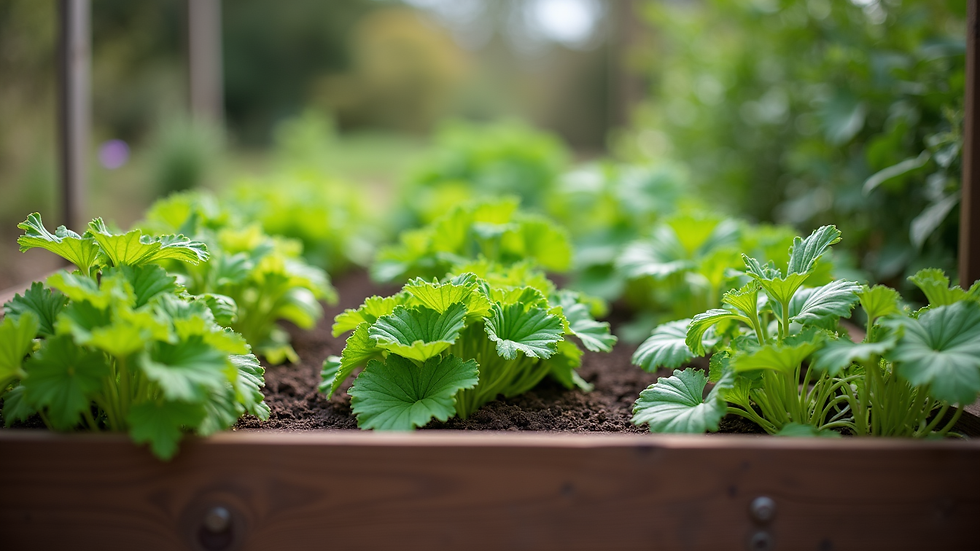
Raised bed gardening involves growing plants in soil that is elevated above the ground level. This technique offers several advantages:
Improved Drainage: Raised beds allow excess water to drain away, preventing root rot.
Better Soil Quality: You can control the soil composition, ensuring it is rich in nutrients.
Easier Access: The elevated height makes it easier to tend to plants, reducing strain on your back and knees.
Extended Growing Season: The soil warms up faster in spring, allowing for earlier planting.
Choosing the Right Location
Selecting the right location for your raised bed is crucial for success. Here are some factors to consider:
Sunlight: Most vegetables require at least 6-8 hours of direct sunlight daily. Observe your yard throughout the day to find the sunniest spot.
Accessibility: Ensure the location is easily accessible for watering, harvesting, and maintenance.
Proximity to Water: Having a water source nearby will make it easier to keep your plants hydrated.
Building Your Raised Bed
Materials Needed
You can build a raised bed using various materials. Here are some popular options:
Wood: Untreated cedar or redwood is ideal as it resists rot. Avoid treated wood, as it may contain harmful chemicals.
Bricks or Stones: These materials provide a sturdy and attractive option but can be more labor-intensive to install.
Metal: Galvanized steel or aluminum can create a modern look and last for years.
Dimensions
The size of your raised bed will depend on your available space and the types of vegetables you want to grow. A common size is 4 feet wide by 8 feet long and 12-24 inches deep. This size allows you to reach the center of the bed without stepping on the soil.
Construction Steps
Select a Level Area: Clear the area of grass and weeds.
Build the Frame: Cut your materials to size and assemble the frame using screws or brackets.
Position the Bed: Place the frame in your chosen location, ensuring it is level.
Fill with Soil: Use a mix of topsoil, compost, and other organic materials to fill the bed.
Soil Preparation
The success of your raised bed garden largely depends on the quality of the soil. Here’s how to prepare it:
Soil Mix
A good soil mix should contain:
Topsoil: Provides the base for your plants.
Compost: Adds nutrients and improves soil structure.
Peat Moss or Coconut Coir: Helps retain moisture.
Perlite or Vermiculite: Improves drainage and aeration.
Testing Soil pH
Most vegetables prefer a pH level between 6.0 and 7.0. You can purchase a soil testing kit to check the pH and amend it if necessary. Adding lime can raise pH, while sulfur can lower it.
Planting Techniques
Choosing Vegetables
When selecting vegetables, consider your climate, the season, and your personal preferences. Some easy-to-grow options for beginners include:
Lettuce: Quick to germinate and can be harvested multiple times.
Radishes: Fast-growing and perfect for early spring.
Tomatoes: A favorite for many gardeners, requiring support as they grow.
Zucchini: Prolific producers that thrive in raised beds.
Planting Schedule
Timing is essential for a successful garden. Here’s a simple planting schedule:
Spring: Start with cool-season crops like peas, lettuce, and radishes.
Summer: Transition to warm-season crops such as tomatoes, peppers, and beans.
Fall: Plant a second round of cool-season crops for a late harvest.
Companion Planting
Companion planting can enhance growth and deter pests. For example:
Basil pairs well with tomatoes, improving flavor and repelling pests.
Marigolds can deter nematodes and other harmful insects.
Watering and Maintenance
Watering Techniques
Raised beds can dry out faster than traditional gardens, so consistent watering is crucial. Here are some tips:
Water Deeply: Aim for 1-2 inches of water per week, ensuring the soil is moist at least 6 inches deep.
Mulching: Apply a layer of organic mulch to retain moisture and suppress weeds.
Drip Irrigation: Consider installing a drip irrigation system for efficient watering.
Weeding and Pest Control
Regular maintenance is essential for a healthy garden. Here are some strategies:
Weeding: Remove weeds regularly to reduce competition for nutrients and water.
Pest Management: Use organic methods like neem oil or insecticidal soap to control pests. Encourage beneficial insects like ladybugs and lacewings.
Harvesting Your Vegetables
Knowing when to harvest is key to enjoying the fruits of your labor. Here are some guidelines:
Lettuce: Harvest leaves when they are young and tender.
Radishes: Pull when they are about the size of a golf ball.
Tomatoes: Pick when they are fully colored and slightly soft to the touch.
Storing Your Harvest
Proper storage can extend the life of your vegetables:
Refrigerate: Most leafy greens and tomatoes should be stored in the refrigerator.
Cool, Dark Place: Root vegetables like carrots and potatoes do best in a cool, dark environment.
Troubleshooting Common Issues
Even experienced gardeners face challenges. Here are some common issues and solutions:
Yellowing Leaves: This may indicate nutrient deficiencies. Consider adding compost or a balanced fertilizer.
Pests: Regularly inspect your plants for signs of pests and take action promptly.
Poor Growth: If plants are not thriving, check soil moisture and nutrient levels.
Conclusion
Raised bed vegetable gardening is an accessible and rewarding way to grow your own food. By following these techniques, you can create a thriving garden that provides fresh produce throughout the growing season. Start small, experiment with different plants, and enjoy the journey of gardening. Happy planting!

Comments